About Faltech

Credentialed inspection. Defensible data. Atlantic Canada focus.
There's no shortage of drone pilots. There's a shortage of drone pilots who understand what's influencing their thermal data before they even capture it.
12+
years in electrical infrastructure and industrial automation
CET
certified engineering technologist (electrical)
13
professional certifications across electrical, safety, and RPAS operations

Let's talk about your next inspection.

Whether you need a one-time aerial survey or an ongoing inspection program, we'll scope it properly before anything leaves the ground.

Common Questions

What clients and prospects ask us most.
What equipment does Faltech use?

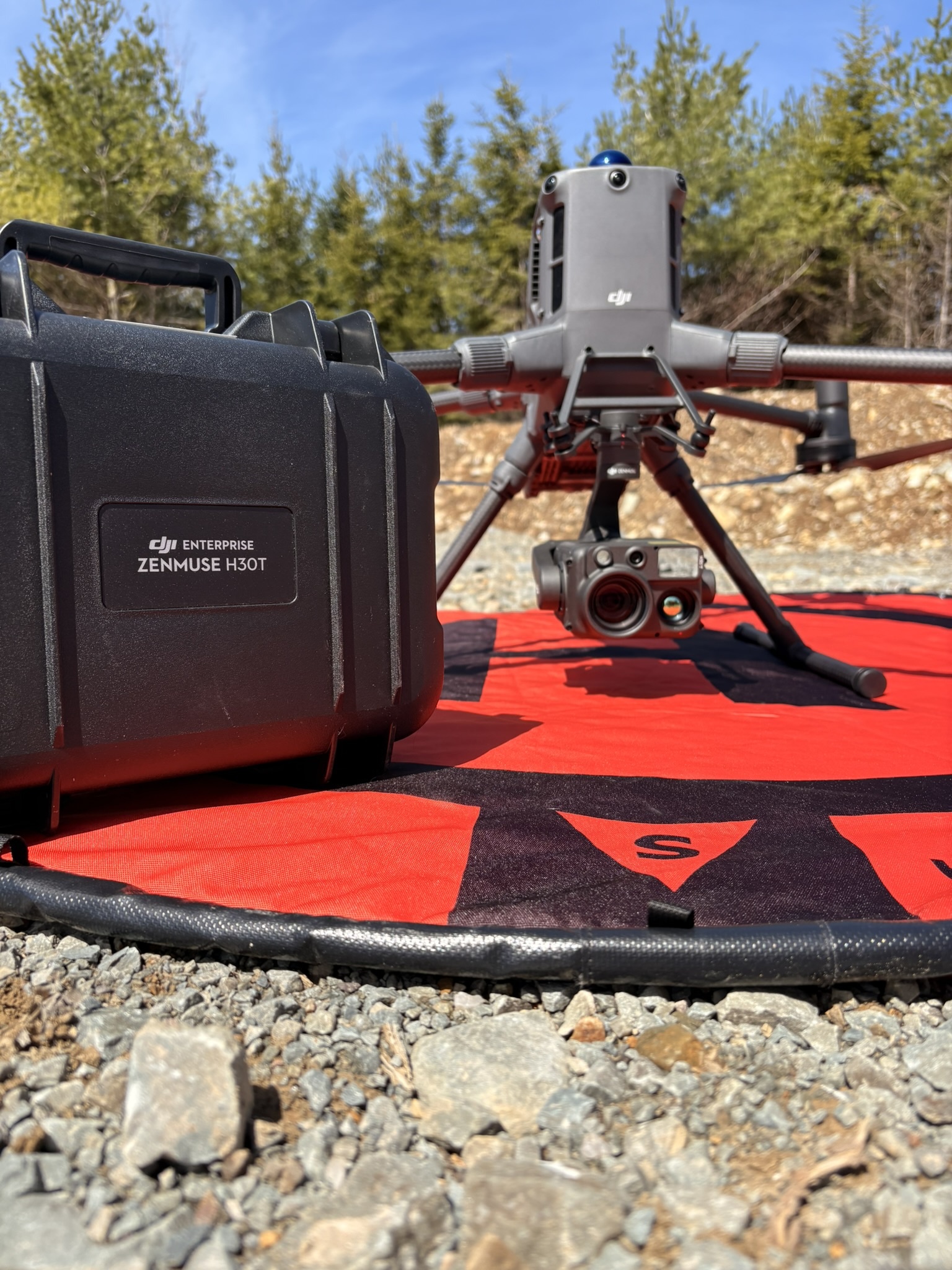
We fly a DJI Matrice 400 with an H30T payload — a radiometric thermal, zoom, and wide-angle camera system. The sensor delivers 1280×1024 thermal resolution with 50 mK sensitivity and measurement capability up to 600°C, providing the data quality required for engineering-grade inspection reports.
What does an inspection report include?

Every report includes georeferenced thermal imagery, visual reference photos, identified anomalies with location mapping, and environmental conditions at the time of capture. Reports are formatted for engineering and maintenance teams to interpret and act on — not just raw image exports.

What's the difference between Faltech and a general drone operator?

Most drone operators can fly and take photos. Faltech combines certified thermography with RPAS operations, which means we understand what the thermal data means — not just how to capture it. Our reports are built to support maintenance decisions, not just document a flight.

How long does a typical inspection take?

It depends on the asset and scope. A rooftop scan on a single commercial building might take half a day. A multi-tower transmission corridor could span several days. We scope every engagement before anything leaves the ground so there are no surprises.

Do I need to be on-site during the inspection?

Not necessarily, but we do coordinate access, safety requirements, and scope with your team before we fly. A site contact is helpful but you don't need to stand there watching.